
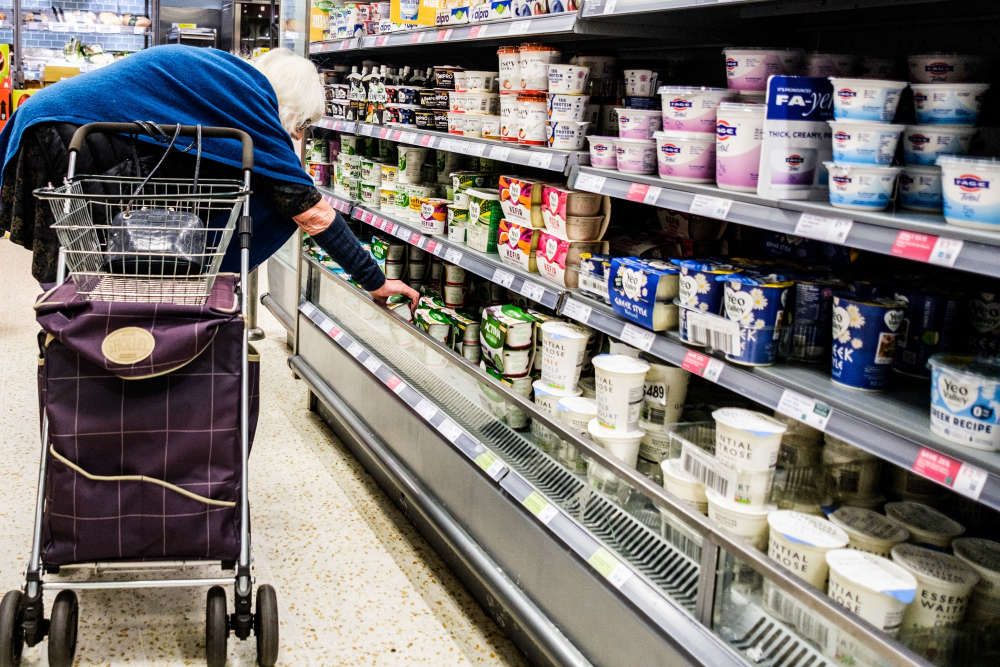
With rising grocery prices putting pressure on household budgets, we’re often asked for our best shopping tips. Understanding how supermarkets operate, and how to spot genuine value, can help you spend less, waste less and stay in control of your weekly shop.
Here’s some of our best tips:
What to look for with fresh produce
One of the simplest ways to shop smarter is to take a closer look at fresh fruit and vegetables.
Many supermarkets now use coded markings instead of clear ‘best before’ dates on pre-packaged produce. These codes usually indicate when an item was packed, often using a letter for the month and a number for the day.
If you want your produce to last longer, choosing items with the most recent packing date can help. At the same time, it’s important not to waste food unnecessarily. If something looks and smells fine, it’s often still usable beyond a best before date. However, ‘use by’ dates on ready-prepared foods should always be followed for safety.
Pre-packaged fruit and vegetables can be convenient, but they are not always the best value. Buying loose produce often works out cheaper and allows you to buy only what you need.
Taking a moment to compare the unit price (for example, the cost per kilogram) is the easiest way to see which option offers better value. Buying loose can also help reduce food waste and cut down on unnecessary packaging.
Compare prices across supermarkets
A key way to save money is to compare prices before you shop.
Using Prices.je allows you to check the cost of everyday items across different supermarkets, helping you spot where you can make savings.
Even just comparing a handful of regular purchases can make a difference.
Over time, using Prices.je can help you build a clearer picture of which retailers offer the best value for your typical shop.
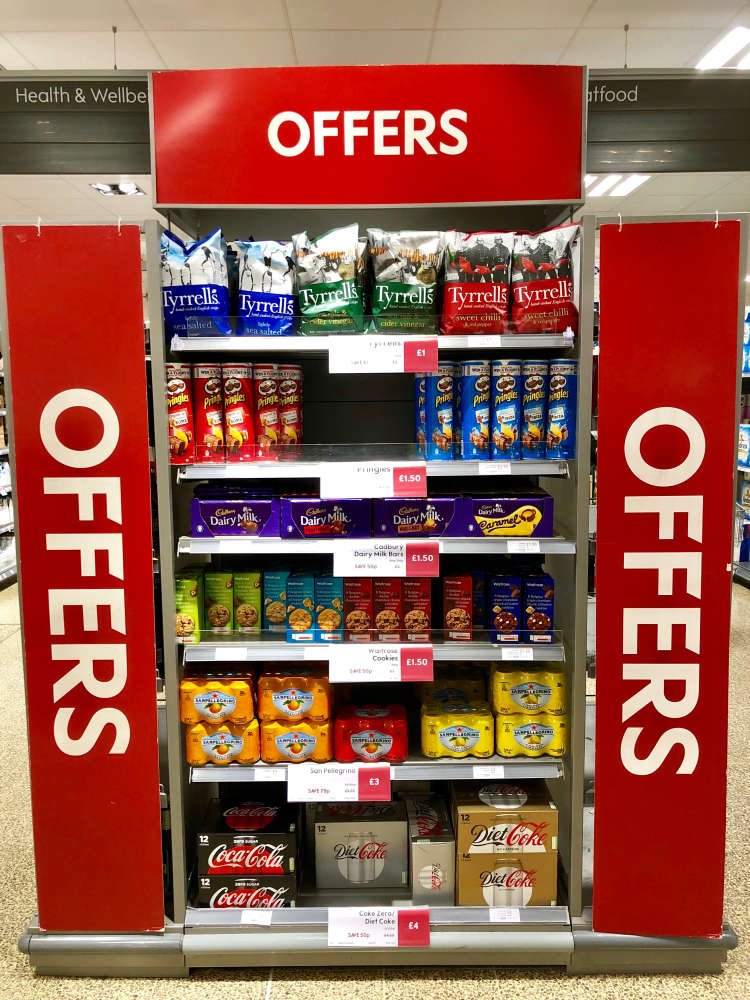 Promotions: look twice before you buy
Special offers and loyalty discounts can be tempting, but they don’t always mean you’re saving money.
Promotions often run for a short time and may return regularly, so there is usually no need to rush.
Multi-buy deals can also encourage you to buy more than you need. A simple rule to follow is to only buy discounted items if they were already on your shopping list. This helps avoid unnecessary spending and reduces waste.
Where to find better value in-store
It can pay to look beyond the aisles you usually visit.
The ‘World Foods’ section often offers staples such as rice, lentils, spices and tinned goods at a lower cost than similar products elsewhere in the store. These are often sold in larger quantities, providing better value per unit.
Supermarket layouts are also designed to influence what you buy. Higher-priced items are typically placed at eye level, while cheaper alternatives may be found on higher or lower shelves.
Essentials such as milk and eggs are usually placed at the back of the store, encouraging you to walk past other products along the way.
Is a ‘reduced’ item really a bargain?
Yellow stickers can make a product seem like a good deal, but it’s important to take a second look.
Check whether the reduced price is actually competitive and consider whether you will be able to use the item in time.
A saving only counts if the food doesn’t go to waste.
How to stay in control of your shop
Supermarkets use a range of techniques to encourage spending, from store layout and product placement to lighting and special offers.
Being aware of these tactics can help you stay focused and avoid impulse purchases.
Some simple habits can make a big difference:
- Write a shopping list and stick to it.
- Compare unit prices, not just headline prices.
- Use Prices.je to check value across stores.
- Look at high and low shelves and ‘World Food’ sections for cheaper options.
- Avoid shopping when hungry, as this can lead to impulse buys.
 Amazon 'Prime Big Deal Days' – Are there genuine bargains to be found?
 The September price check: are you really getting a bargain?
 Have you ever been overcharged at the supermarket?