
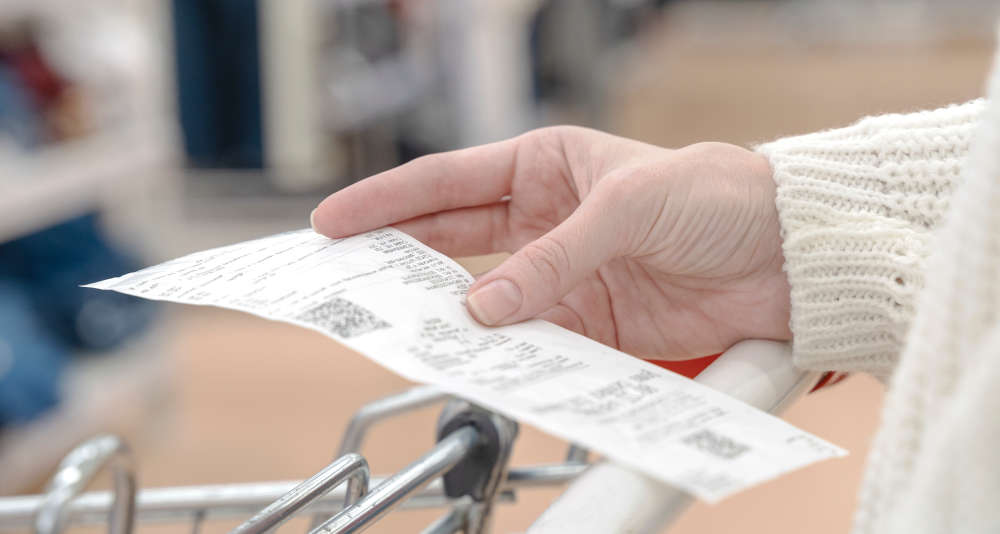
We've recently been contacted by some consumers who are concerned that they have been overcharged in local supermarkets. Has this happened to you?
Many shoppers only discover pricing discrepancies when they check their receipts after leaving the store.
With special offers, loyalty discounts, multi-buy promotions and self-service checkouts now common, pricing errors can sometimes go unnoticed.
How often do you check your receipt?
Most consumers assume the price displayed on the shelf is the price they will be charged at the till. However, even small errors can add up over time, especially for regular shoppers.
Keeping your receipt is one of the easiest ways to protect yourself. It provides a record of your purchases and makes it much simpler to spot mistakes and raise any concerns with the retailer.
We would like to hear about your experiences:
- Have you ever discovered you were overcharged at a supermarket?
- Do you always take or ask for a receipt?
- Do you check your receipt before leaving the store?
- If you found an overcharge, would you return to challenge it?
- Have you successfully received a refund after spotting an error?
Most supermarkets will investigate genuine pricing discrepancies and correct mistakes when they are identified. However, consumers can only challenge an overcharge if they know it has occurred and have a receipt.
The Jersey Consumer Council encourages shoppers to ask for a receipt and take a moment to check it. This simple step can help ensure you have been charged correctly and assist in resolving any disputes.
If you've been overcharged, we'd like to hear your story and how the issue was resolved. You can email contact@consumercouncil.je.
 Storm-proof your home – and your insurance
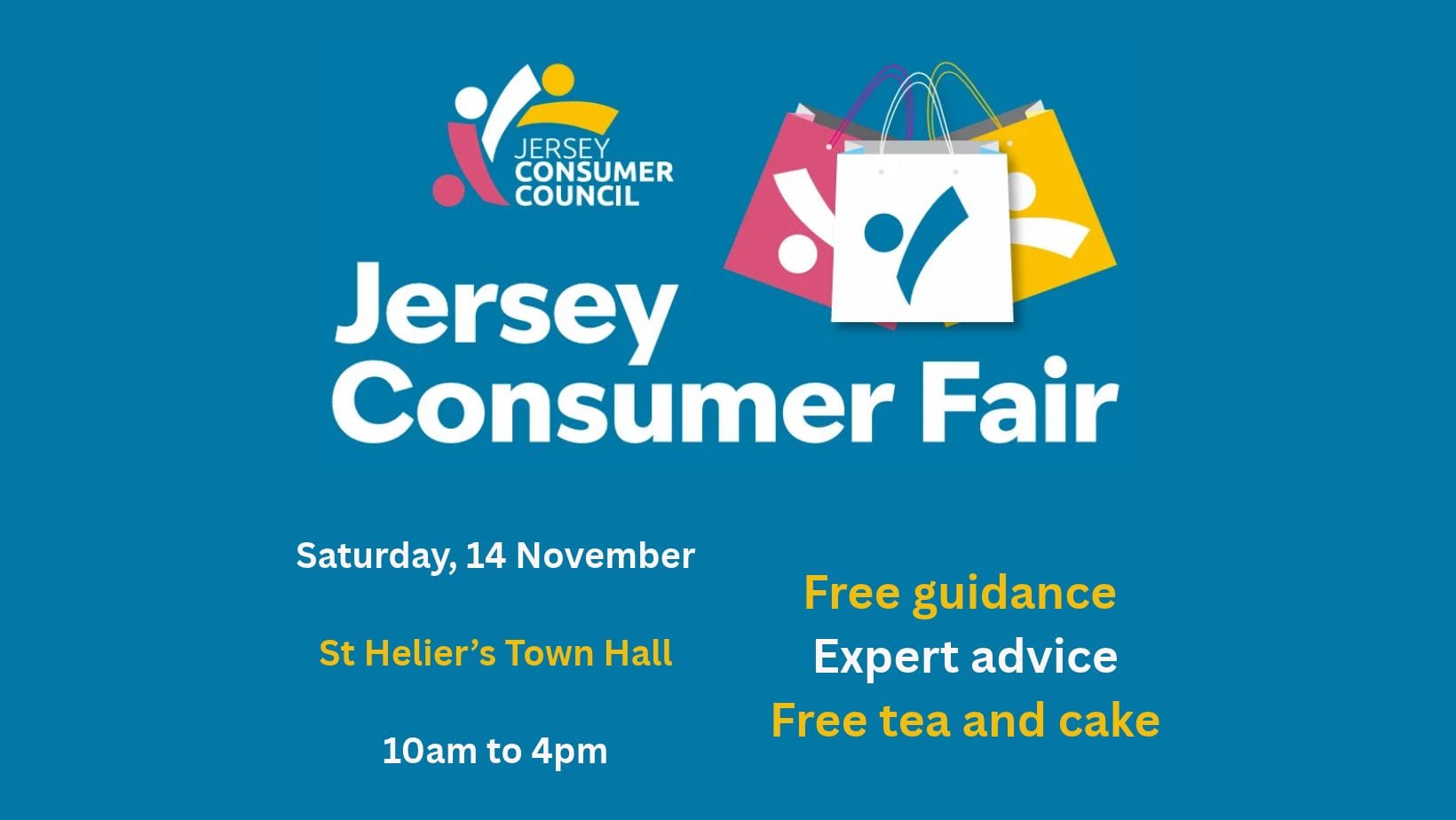 The Jersey Consumer Fair is back!
 Don’t let Halloween turn scary: safety tips for costumes, toys and accessories
 Spreading the cost of Christmas: why now is the time to start
 Are Jersey residents covered by Saga travel insurance?
 Amazon 'Prime Big Deal Days' – Are there genuine bargains to be found?