
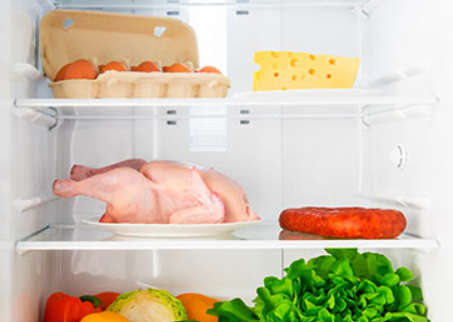
As Christmas approaches, it’s important to ensure that your festive food stays fresh, safe to eat and lasts as long as possible to save on waste.
One of the key factors in achieving this is proper fridge organisation. The temperature in your fridge can vary greatly from shelf to shelf, so it’s important to be mindful of where you place certain items.
Here are some tips to help you get the most out of your festive fare:
- Plan ahead: Make a list of what you need to buy and where you will store it in your fridge. This will help you avoid making compromises that could leave your food unsafe.
- Allow for defrosting: Remember that large items like a Turkey can take around four days to defrost. It’s best to allow for space in your fridge for defrosting items.
- Have a clear out: Clear out your fridge and freezer before your big Christmas shop to free up as much space as possible for those festive staples.
- Keep an eye on your fridge temperature: Your fridge temperature should be kept between 0°C and 5°C according to the Food Standards Agency (FSA). If you’re not sure if your fridge gets cold enough, you could buy a fridge thermometer to check.
- Keep raw and cooked foods separate: Place cooked and ready-to-eat items on the top shelf, always higher than the raw food, to avoid the chance of the latter dripping or falling on to cooked food and contaminating it.
- Use your vegetable drawers: These drawers have a slightly different climate and humidity to the rest of the fridge, so they’re the best place for your perishable fruit and veg. Not all veg needs to go in the fridge – parsnips, sprouts and potatoes don’t.
What goes where?
Top shelf
This is the warmest place in your fridge. It’s the best place for dairy – cheese and butter. Not good for meat or fish. Your trifle or cheesecake would be alright up here, but you can leave your Christmas pudding out of the fridge.
Middle shelves
Fish and meat should go down as low as possible. Then you might have your stuffing and your pigs in blankets. Higher up is the place for your sauces and condiments, such as bread sauce or cranberry sauce.
Bottom shelf
Your turkey or any meat should be in the coldest place in your fridge. Unless you have a special meat drawer, the best place would probably be on the lowest shelf of your fridge (usually above your fruit and veg drawer). You might need to rearrange the position of your shelves to accommodate everything.
If you're struggling for space, you can free up space by removing your bottles and canned drinks. In December it’s cold enough to store these in a container outside, if you have an outside area. They should stay fairly cold.
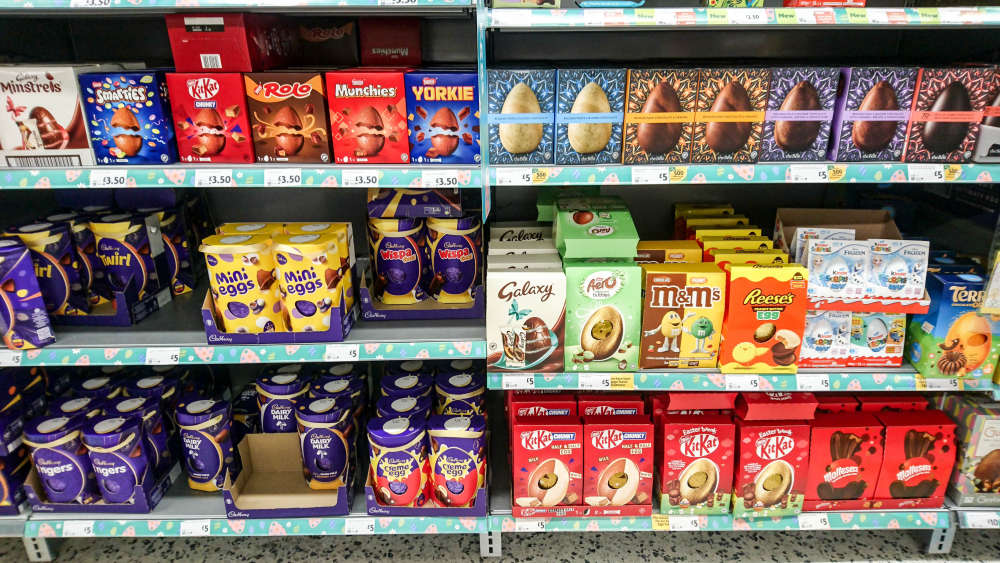 The cost of Easter eggs: more for less?
 Helping families to make informed choices this Easter holiday
 Shop smart this Easter: Compare before you buy