
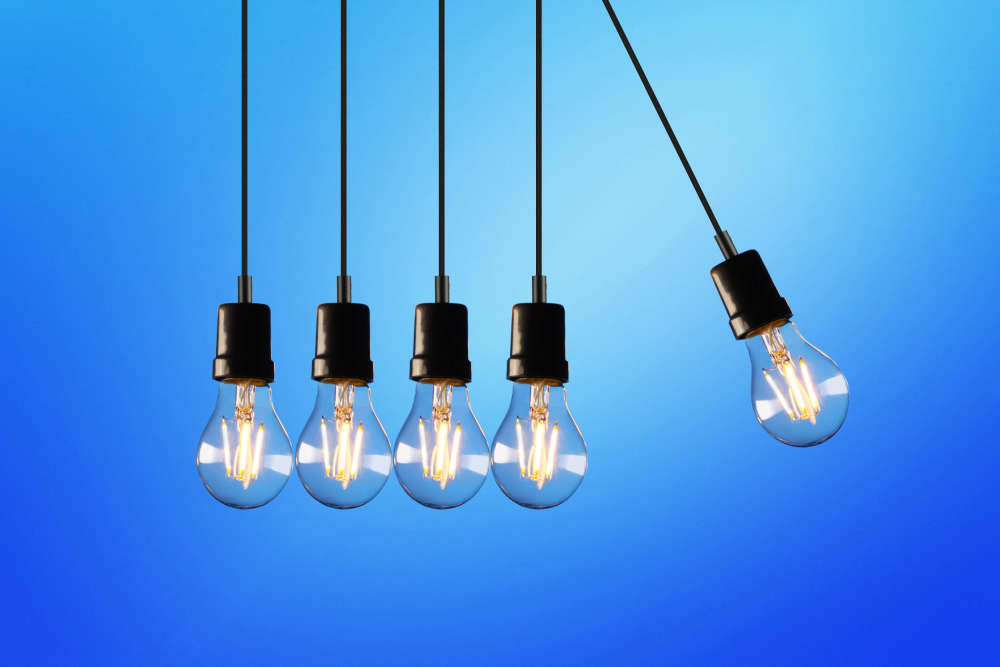
In this modern age, we've all become heavily reliant on our electrical appliances, ranging from heaters to dishwashers to phone chargers. It's therefore vital for consumers to understand their electricity usage and how to optimise it.
Jersey’s electricity is supplied through three cables attached to power plants in Normandy, France.
Interestingly, Jersey operates almost entirely on nuclear energy, with the remaining percent being hydroelectric. The use of mainly nuclear fuel has helped significantly reduce Jersey’s carbon footprint, especially in comparison to the UK. While we have a long way to go towards an entirely sustainable energy supply, Jersey has managed to surpass many of its European neighbours. The energy supplied to the Island is also cheaper, with tariffs approximately 12% lower than the EU.
In terms of services provided by Jersey Electricity, customers concerned about their high energy consumption are advised to contact their mobile energy advisors. Once arranged, they can come to your home, inspect any possible appliances that could be using high levels of power and advise on how to reduce incurring large costs.
Customers should also be aware of the increasing fitting of smart meters, with 90% of the island already fitted. These are designed to make payments easier and more timely. Jersey Electricity smart accounts are also available to customers where they can track their energy consumption online.
Below are some tips from Jersey Electricity on how to save energy in your home:
- Turn your room thermostat down by just 1 C
- Turn your immersion cylinder to 60 degrees
- Lag your hot water cylinder
- Take a shower instead of a bath (uses 5 times less water)
- Close your curtains at night
- Turn lights off when you are not in the room
- Boil only the water you need i.e. kettle or for cooking
- Use a microwave when possible
- Don’t leave appliances on standby
- Cook several items at the same time
- Place cooked items in the freezer when cooled down
- Only purchase energy efficient appliances (A++, A+, A)
- Fill washing machines and dishwashers to capacity
- Put clothes on washing line or leave to air
To find out more visit the Jersey Electricity website at www.jec.co.uk
 Get your home ready for the cooler months
 Fuel prices drive latest rise in the cost of living – compare before you fill up
 Why are oil prices in Jersey higher than in the UK?