
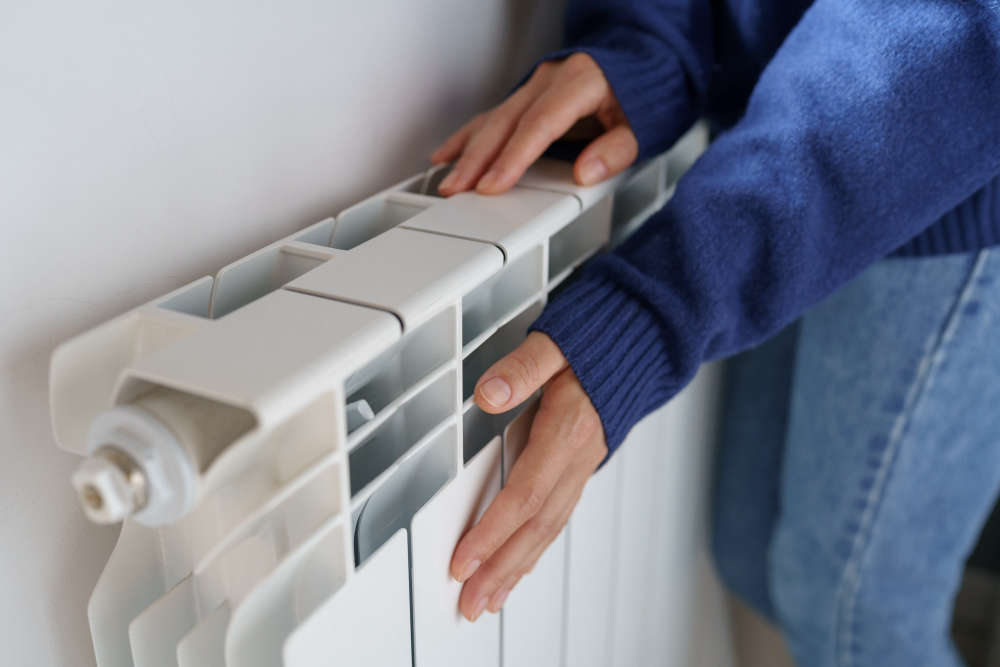
As we move into the autumn, despite the continuing good weather, it might be time to think about getting your home ready for the coming months.
Taking a few simple steps now could help keep your home warm, improve the efficiency of your heating system and potentially reduce your energy bills over the winter.
For many households in Jersey, heating costs remain a significant expense, so making sure that your system is working efficiently can make a real difference.
Check your radiators
A common cause of poor heating performance is air trapped inside radiators.
If your radiators feel cold at the top but warm at the bottom, they may need bleeding. Removing trapped air allows hot water to circulate properly, helping radiators heat up more effectively.
Bleeding a radiator is a straightforward task for many homeowners:
-
Turn off your heating and allow radiators to cool.
-
Use a radiator bleed key to slowly open the bleed valve.
-
Let the trapped air escape until water begins to flow.
-
Close the valve and check your boiler pressure afterwards.
-
Turn the heating back on and check for improved performance.
If several radiators are performing poorly, or your whole home feels unevenly heated, it may indicate a larger issue with the heating system.
Is your heating system balanced and clean?
An unbalanced heating system can result in some rooms becoming too warm while others remain cold. For example, you may find upstairs rooms overheating while downstairs living areas struggle to reach a comfortable temperature.
Many people respond by turning up the thermostat, but this can increase energy consumption and costs without solving the underlying problem. Professional radiator balancing ensures that each radiator receives the correct flow of hot water, helping maintain a more even temperature throughout the home.
If you have recently had radiators removed during decorating work or installed a new boiler, it may be worth asking a qualified heating engineer to check the balance of the system.
Over time, heating systems can develop sludge and debris, reducing efficiency and leading to cold spots in radiators. Signs that your system may need attention include radiators that take a long time to heat up or remain partially cold.
A heating engineer can advise whether your system would benefit from a flush and whether additional protection, such as a magnetic filter, would help keep it running efficiently in the future.
Service your boiler and check temperature settings
A boiler that is not operating efficiently can cost more to run and may be more likely to break down during the winter months.
An annual service by a qualified engineer can help ensure your boiler is operating safely and efficiently.
Homeowners should also make use of timer and programmer settings. Heating your home only when needed can help avoid unnecessary energy use and reduce costs.
Many boilers are set to unnecessarily high flow temperatures. If your radiators are extremely hot to the touch, you may be heating water to a higher temperature than required. Lowering the flow temperature can improve efficiency while still keeping your home comfortable.
If you are unsure about changing settings, consult your boiler manual or seek advice you’re your boiler engineer.
Make the most of your thermostat
Your thermostat is one of the most important tools for managing your energy use.
Experts generally recommend setting your home to a comfortable temperature and avoiding turning the thermostat up higher than necessary. Even a small reduction in temperature can have a noticeable impact on your energy use over the course of a heating season.
Make sure thermostats are not blocked by furniture, curtains or other heat sources, as this can affect how accurately they measure room temperature.
Similarly, thermostatic radiator valves (TRVs) should be adjusted gradually. Turning them up fully will not heat a room faster, it will simply allow the room to reach a higher temperature.
Don't forget insulation
Even the most efficient heating system will struggle if heat is escaping from your home.
Good insulation helps retain warmth, making homes more comfortable and reducing the amount of heating required.
Loft insulation, wall insulation and draught-proofing can all help reduce heat loss during the colder months and may lower energy bills over time.
The Government of Jersey have some useful advice on insulation – visit Gov.je and search ‘Energy Saving Advice’.
By taking action now, you can improve comfort in your home, reduce unnecessary energy use, and help keep heating costs under control throughout the winter months.
 Storm-proof your home – and your insurance
 Spreading the cost of Christmas: why now is the time to start
 Autumn money check-up: Ten things to review before winter