
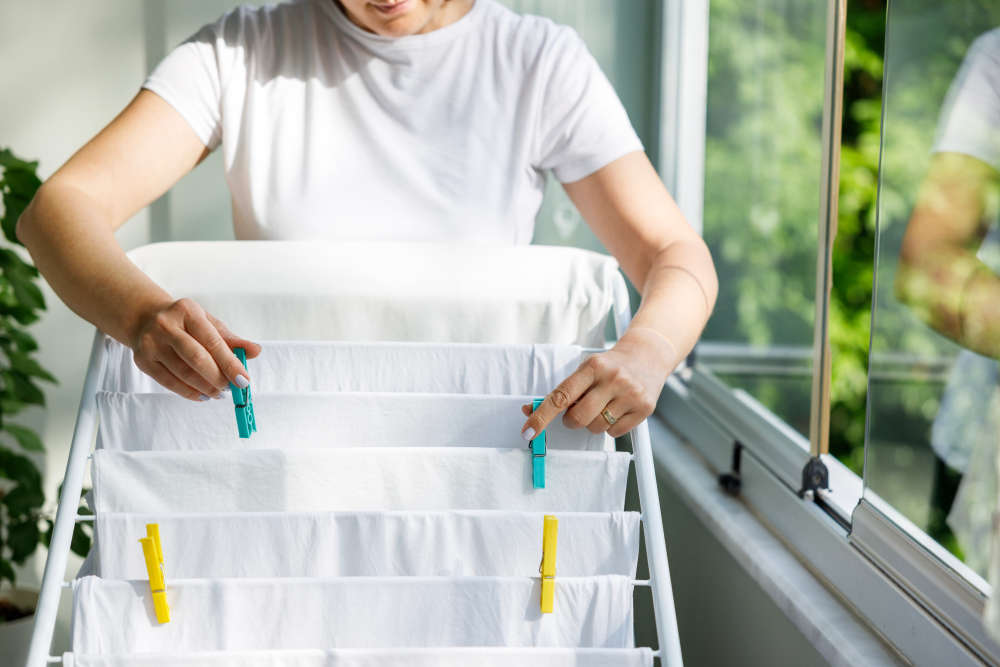
We’ve had an unusually long spell of wet weather over the past few months, and with conditions this damp, many households are having to dry their laundry indoors. Here are some effective steps you can take to keep your home healthier during challenging weather.
We’ve had an unusually long spell of wet weather over the past few months, and with conditions this damp, many households are having to dry their laundry indoors.
As a result, it’s no surprise that more people are beginning to notice increased dampness around their homes.
Excess moisture can quickly lead to condensation, mould and a general feeling of cold and discomfort. Fortunately, a few simple habits can make a big difference
Here are some effective steps you can take to keep your home healthier during challenging weather:
Let fresh air in
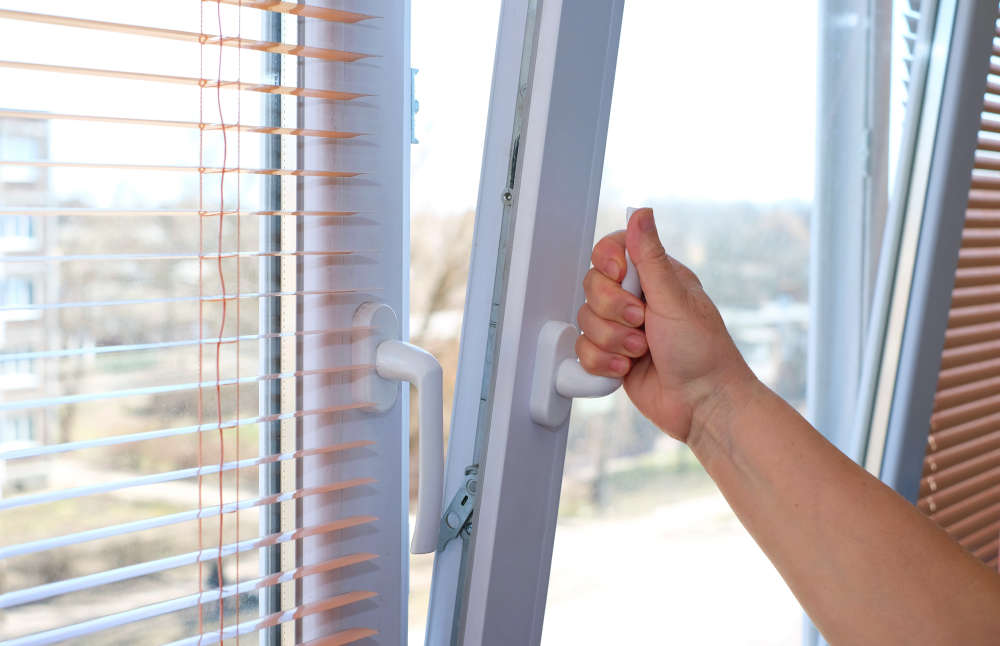 Even in colder months, short bursts of ventilation make a big difference. Opening windows for ten to 15 minutes each day helps moisture escape and keeps your home feeling fresher.
When cooking or showering, close internal doors and use extractor fans where possible to stop steam spreading into the rest of your home.
There is a German tradition known as ‘lüften’ which involves opening your windows and doors to let air in and create a cross-flow of air to help ventilate the home effectively. It improves air quality and can help with the build up of moisture.
Dry laundry carefully
If you need to dry clothes inside, if you can, choose one room and place your drying rack near an open window or alongside a dehumidifier. This helps prevent moisture from moving through the whole property.
Avoid drying items directly on radiators, as this increases humidity and makes heating less efficient.
Make good use of a dehumidifier
Dehumidifiers can be very effective in damp weather. They work best in closed rooms and should be emptied and cleaned regularly to keep them running efficiently.
If you notice your windows misting up, it’s a sign there’s too much moisture in the air.
Reduce condensation
Condensation often settles on windows, walls and cold surfaces. Wiping down wet areas in the morning helps prevent mould forming.
Make sure furniture is not pushed tightly against walls and check that vents and air bricks are unobstructed so air can circulate more easily.
Keep your home warm
A steady level of low heating helps reduce moisture. If you use portable heaters, follow safety instructions and never leave them running while you are out or asleep.
Helpful daily habits
Cover pans while cooking, wipe down surfaces after showers, and hang up damp towels or sports kits promptly.
These small steps reduce the amount of moisture released into your home.
Tackle mould early
Small patches of mould can usually be cleaned with warm soapy water or a specialist mould remover.
Always ventilate the room while you clean and wear gloves for protection. If mould keeps coming back, or if you notice peeling wallpaper, damp patches, or a musty smell, it may indicate a more serious issue that needs professional attention.
You can use one of the following to clean mould:
Warm soapy water
- This is good for light mould.
- It is gentle on painted surfaces.
White vinegar (undiluted)
- This is a natural option.
- It is effective at killing mould on many surfaces.
A mould-specific cleaner
- These are available at supermarkets and hardware stores.
- They can be useful for stubborn patches.
- Follow the instructions on the label carefully.
Avoid mixing cleaning products, especially bleach and vinegar, as this can create harmful fumes.
Make sure you wear rubber gloves and consider wearing a simple mask to reduce exposure to any spores and fumes.
If you have persistent damp or mould in your home that you’ve been unable to treat, or if you believe it is affecting the health of anyone in your household, please contact Environmental Health who can inspect your home and advise on an alternative treatment plan.
Visit Gov.je to find out more.
 Storm-proof your home – and your insurance
 The Jersey Consumer Fair is back!
 Don’t let Halloween turn scary: safety tips for costumes, toys and accessories
 Spreading the cost of Christmas: why now is the time to start
 Are Jersey residents covered by Saga travel insurance?
 Amazon 'Prime Big Deal Days' – Are there genuine bargains to be found?