
Did you know that you will have to pay a £5 packing surcharge to send any large parcels off the Island that aren’t packaged in a cardboard box?
Jersey Post have introduced the new charge from Monday, 12 May, after announcing it last month.
A few consumers contacted us to say that they were unsure exactly what parcels would be affected, so we asked Jersey Post for some more information to clarify the situation.
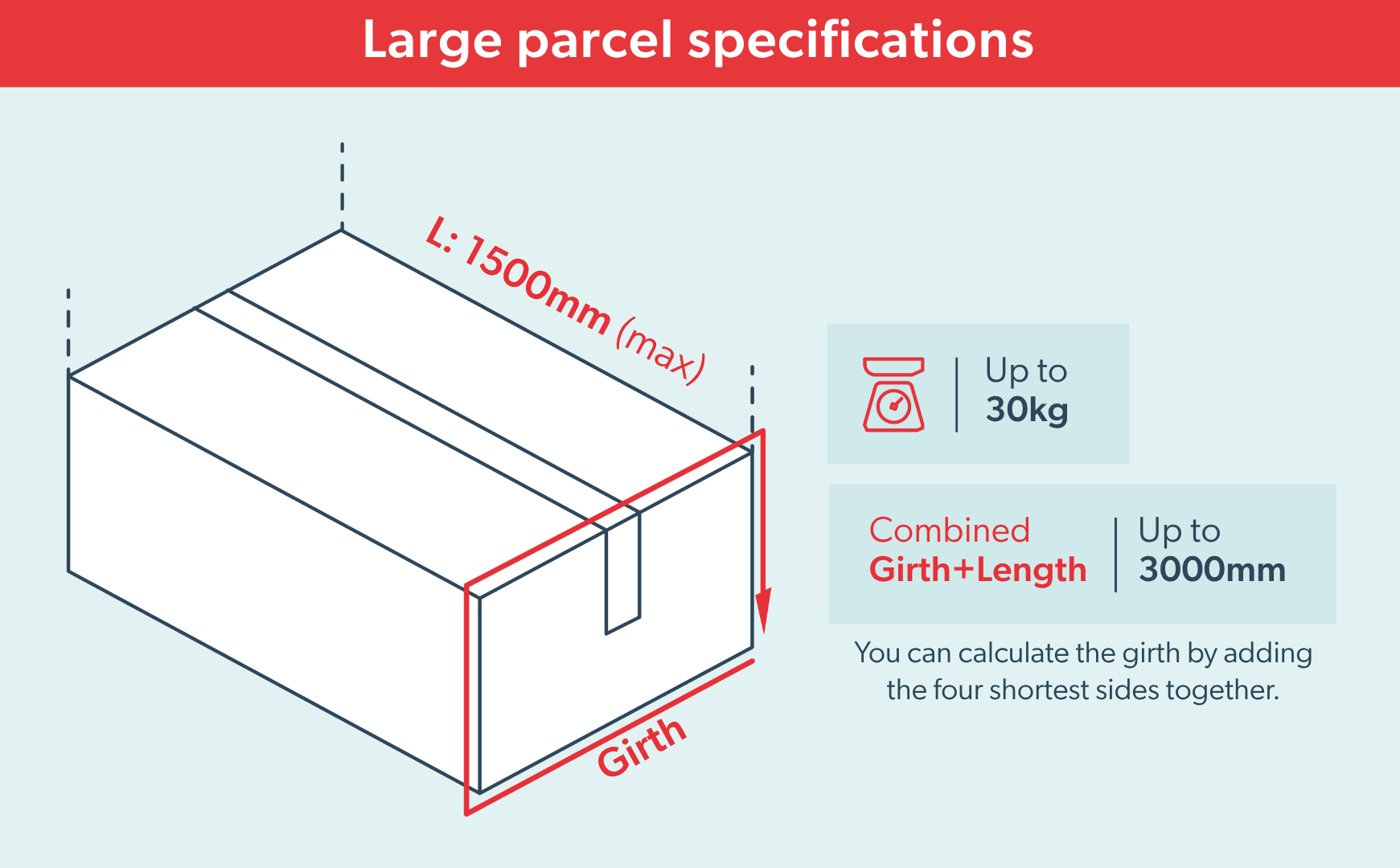
They told us they class a ‘large’ parcel as one between 2kg and 30kg. The surcharge will also be applied to parcels under 2kg that have dimensions of large parcels (girth plus width is over 900mm and up to 3 meters). You can calculate the girth by adding the four shortest sides together.
Free returns will not incur this surcharge.
The surcharge will apply to all large items packaged in suitcases, plastic bags or that are irregularly shaped. To avoid the charge, they must be packaged in a sturdy cardboard box. This is because poorly packaged items can’t be processed through automated sorting machines and instead must be processed manually.
Jersey Post is already being charged by their commercial partners for these items, since January 2023, with about 20% of their large parcels attracting surcharges from Parcelforce or Fedex.
Jersey Post said: “Packaging your items correctly in a sturdy cardboard box means that your parcel can go through the sorting machines smoothly and helps to avoid manual handling charges. It also protects your item from damage.
“We’ve been monitoring the number of surcharges that we’ve incurred for a while, and have already reduced parcel prices by an average of 18%. We want to continue to keep costs down for our customers, but we can’t do that if we’re incurring the surcharges. Ultimately, we want to help our customers to ensure efficient processing times and handling of larger parcels.’
A handy guide to packaging can be found at https://jerseypost.com/
 Storm-proof your home – and your insurance
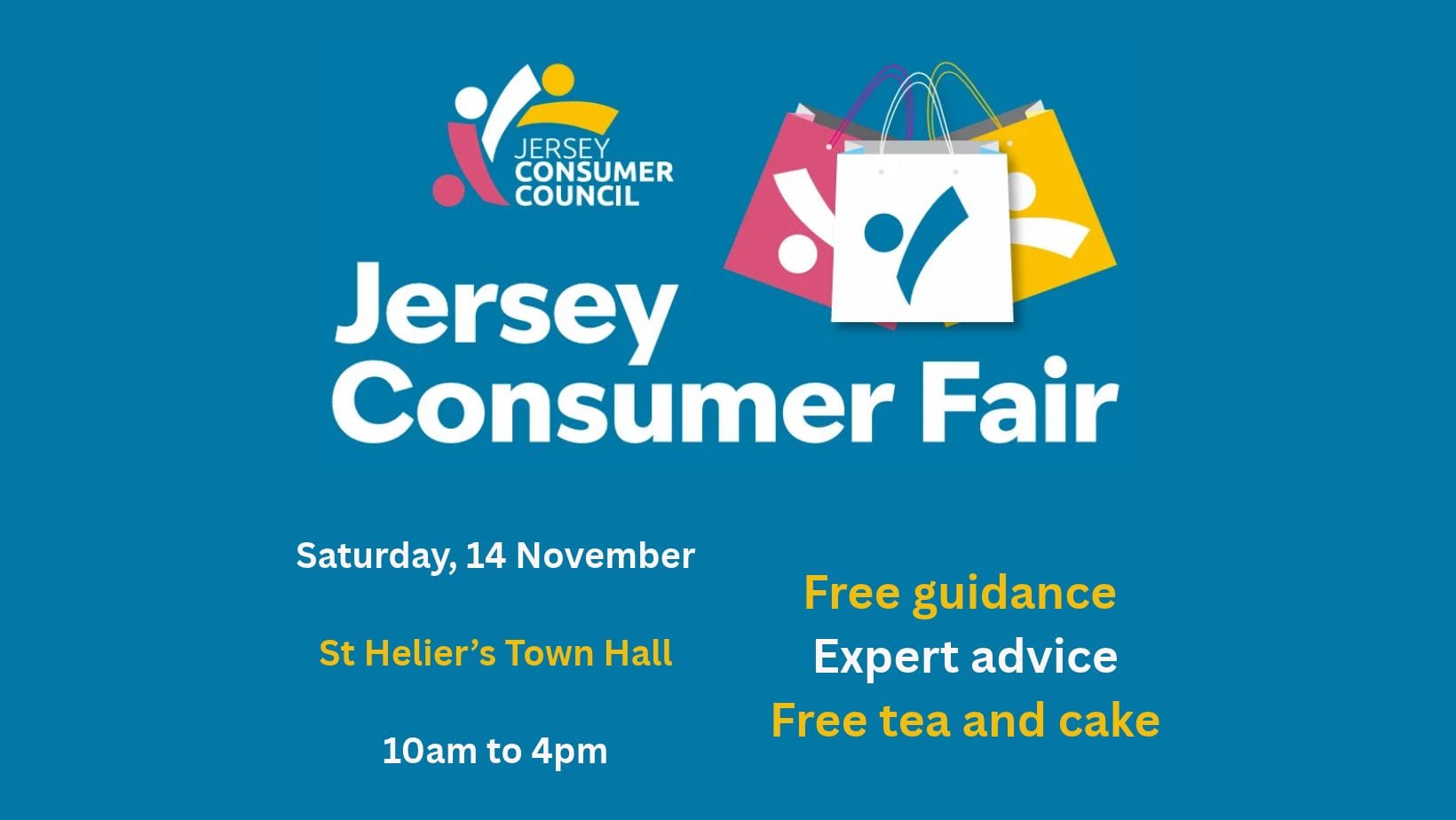 The Jersey Consumer Fair is back!
 Don’t let Halloween turn scary: safety tips for costumes, toys and accessories
 Spreading the cost of Christmas: why now is the time to start
 Are Jersey residents covered by Saga travel insurance?
 Amazon 'Prime Big Deal Days' – Are there genuine bargains to be found?