
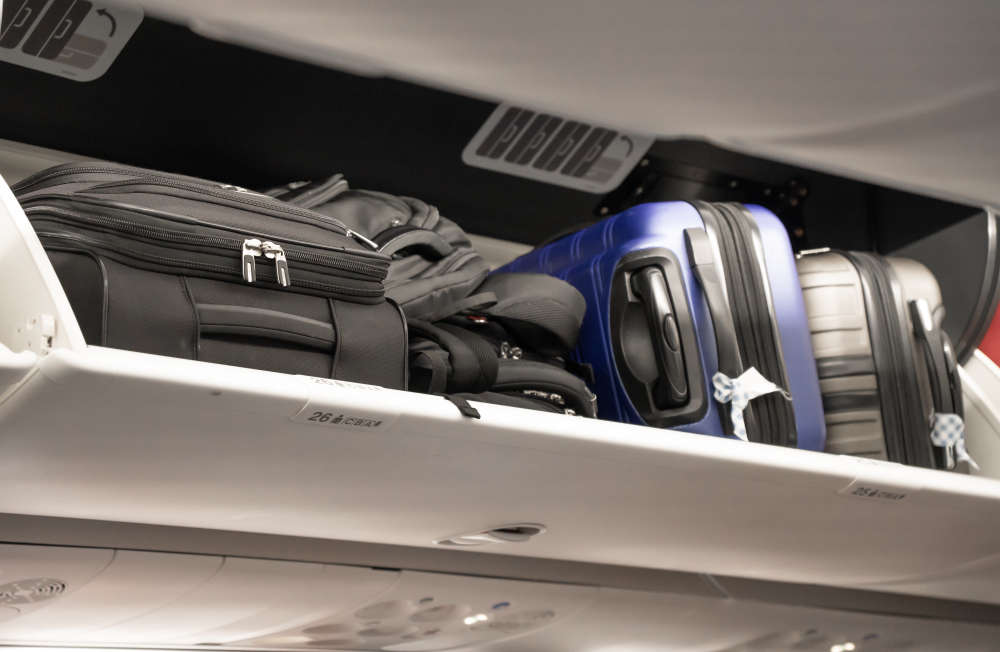
One of the most common causes of stress and unexpected cost at the airport is luggage that doesn’t meet airline rules. We at the Jersey Consumer Council often hear stories from Islanders who are surprised by gate fees or forced to check-in hand luggage they believed to be compliant. So, here’s everything you need to know about cabin‑bag sizing and restrictions, and some practical packing tips to help you avoid problems.
Airline‑by‑airline: what you can bring on board
easyJet – strict sizing, one bag means one bag
easyJet’s fares are often excellent value, but only if you follow the rules precisely.
What’s included as standard?
- One small cabin bag only.
- Maximum size: 45 x 36 x 20 cm (including wheels and handles).
- Must fit under the seat in front of you.
Important to remember:
- There’s no separate handbag or laptop bag allowance.
- If you bring a second item, or your bag does not fit in the sizer, you can be charged and the bag placed in the hold.
Larger cabin bag:
- This is only permitted if you pay for Speedy Boarding, a large cabin bag add‑on, or hold an easyJet Plus/Flexi booking.
- Maximum size: 56 x 45 x 25 cm
- You can usually bring a small cabin bag too.
Our tip
easyJet is known for enforcing its size rules at the gate, particularly on busy flights. If you’re close to the size limit, choose a soft backpack rather than a hard case as it’s more likely to squeeze into the sizer.
British Airways – the most generous cabin allowance
British Airways offers far more flexibility, which makes it popular with travellers carrying work items or travelling for longer.
What’s included as standard?
- One cabin bag, 56 x 45 x 25 cm (must fit in overhead compartment).
- One personal item, such as handbag or laptop bag, maximum of 40 x 30 x 15 cm.
- Each item may weigh up to 23 kg, provided you can lift it yourself
- On full flights, larger cabin bags may still be placed in the hold at the gate, but this is free of charge
- BA’s allowance applies even on ‘hand‑baggage‑only’ Economy Basic fares.
Our tip
Always keep medication, valuables and travel documents in the smaller under‑seat bag in case your larger bag is checked unexpectedly.
Loganair – small aircraft, smaller bags
Loganair operates small planes on many routes, and this has a direct impact on luggage limits.
What’s included as standard?
- Cabin baggage can be a maximum size of 40 x 35 x 18 cm and a maximum weight of 6 kg.
- Generally, passengers are allowed one cabin bag only (fare‑dependent)
- On some flights, cabin bags are taken at the aircraft steps and returned on arrival – this is normal and not a cause for concern.
- These limits are significantly smaller than easyJet or BA and are strictly linked to aircraft capacity.
Our tip
Treat Loganair cabin luggage as an essentials bag, not a mini‑suitcase.
Common mistakes Jersey travellers make
- Assuming all airlines allow a handbag as well as a cabin case.
- Measuring bags without including wheels, handles or bulging pockets.
- Forgetting that airport purchases still count toward your allowance, so should fit inside your hand luggage.
- Paying far more at the airport than if the correct baggage was added online.
Practical packing tips to avoid extra fees
1. Measure at home
Use a tape measure and include every external part of the bag. Manufacturer labels are often misleading.
2. Weigh your bag once fully packed
Especially important for Loganair’s 6 kg limit. Bathroom or luggage scales are usually accurate enough.
3. Pack vertically and compress
Rolling clothes and using compression packing cubes reduces bulk without increasing weight.
4. Wear your heaviest items
Coats, boots and jumpers belong on your body, not in your bag, particularly on short flights.
5. Liquids strategy
Check out the liquids rule for hand luggage at your departing airport in advance – not all airports are the same right now. Put all liquids in a single, reusable clear pouch to speed up security and prevent last‑minute repacking.
6. Check your fare type before leaving home
On easyJet and BA, your fare name determines your baggage rights more than the airline itself. If in doubt, check the airline’s official baggage page before departure or contact them directly.
And if you believe you’ve been treated unfairly as a consumer, the Jersey Consumer Council is always here to help.
Hand luggage liquids: the rules are changing, but don’t relax just yet
Liquids remain one of the most common causes of delays at airport security.
While headlines suggest the 100ml rule is disappearing, the reality is more complicated, especially for Jersey travellers.
Many airports still follow the familiar rules:
- Liquids must be in containers of 100ml or less.
- Liquids include toiletries, cosmetics, gels, creams, aerosols and spreadable foods.
- Security screening requirements vary by airport.
Why some airports look different
A number of UK airports have introduced new 3D CT scanners, allowing passengers to leave liquids and electronics inside their bags during screening.
At airports including Bristol, Leeds Bradford, Luton, Newcastle, Southend, Teesside and Cardiff, passengers no longer need to remove liquids or electronics at security.
At Heathrow, Gatwick, Edinburgh and Birmingham, the new scanners also allow liquids in containers of up to two litres.
However, not all airports have upgraded their security systems, and even where scanners are installed they may not be operating in every terminal or lane.
What to expect at Jersey Airport
Jersey Airport also uses a 3D CT scanner but currently retains the standard 100ml liquids limit.
Passengers departing Jersey should assume:
- Liquids, aerosols, gels and pastes must be in containers of 100ml or less.
- Liquids can remain inside hand luggage during screening.
- A separate plastic bag is not required.
Connecting flights and return journeys
Security rules apply at every airport you pass through, not just where your journey starts. A liquid accepted at one airport may be confiscated at another.
This is particularly relevant for Jersey travellers connecting through UK or European hubs, where rules can vary between airports, terminals and return flights.
Duty-free and exemptions
Some items remain exempt from standard restrictions, including:
- Essential medicines (usually with supporting documentation).
- Baby food and milk.
- Duty-free liquids purchased after security, provided they remain sealed.
Security staff may still inspect these items.
The safest approach
Despite changing rules, the best advice remains simple:
- Pack liquids assuming the 100ml rule applies.
- Carry a clear liquids bag just in case.
- Check the rules at both departure and arrival airports.
- Place larger toiletries in checked baggage where possible.
Until security procedures become consistent across airports, careful packing remains the best way to avoid delays and confiscated items.
 Know your rights when your ferry is cancelled
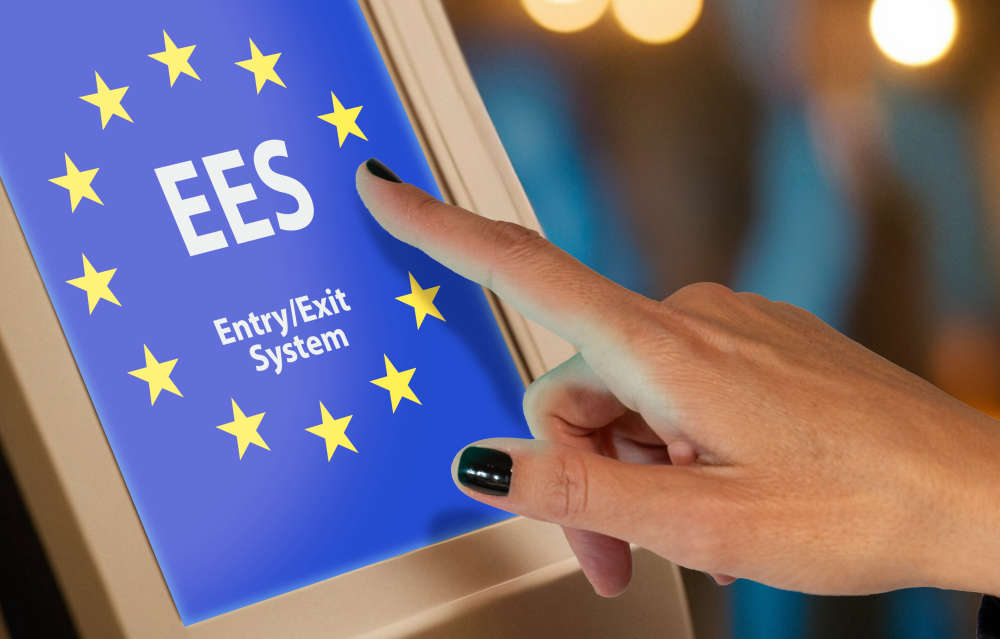 Be prepared for extra border checks in Europe
 Travelling from Jersey? Do you know what documents you need?