
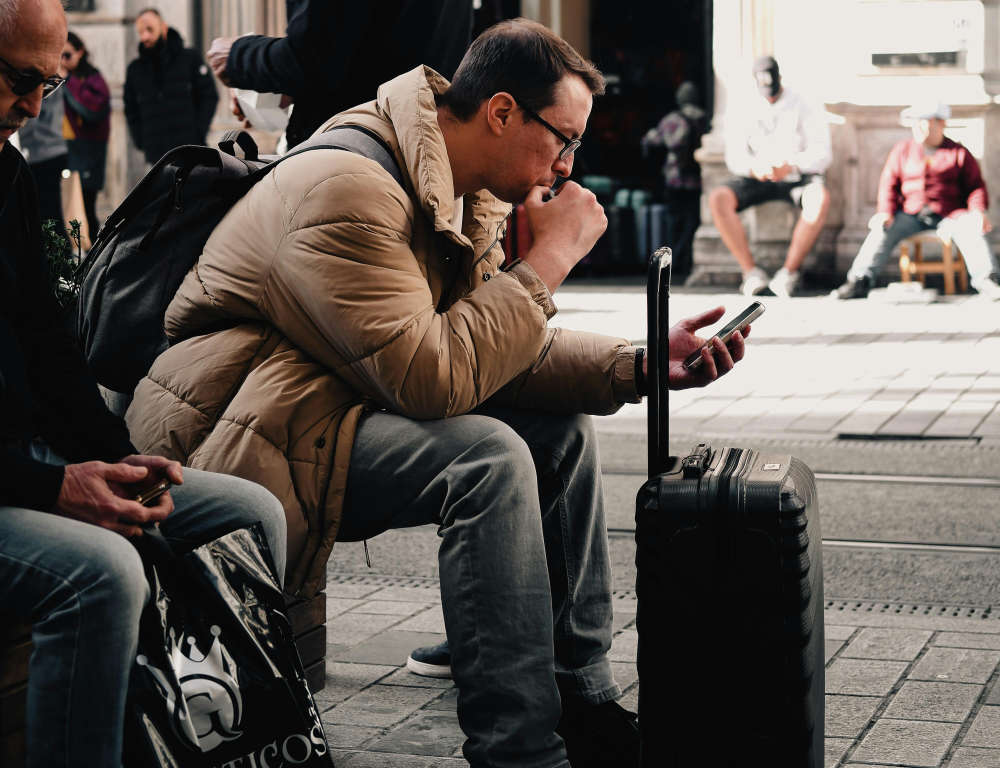
Are you thinking about jetting off for some sunshine, soaking up some culture on a mini-break, or visiting some loved ones abroad?
If you are, then there are a number of potential scams that you should be aware of when booking your next trip.
Which? magazine has highlighted a recently released report from Lloyds Banking Group warning their customers about holiday scams. Their findings show that between November 2021 and March 2024, the most common travel scams were:
-
Fake flight tickets – most of these scams take place on social media, where scammers create fake adverts or pretend to sell airline tickets they’re no longer using for an upfront payment. They then disappear once they have been paid.
-
Fake holiday home or cottage rentals – scammers use booking websites such as Airbnb with fake photos. They will take deposits or upfront payments through the legitimate site, then ask for further payments via bank transfer or PayPal. It’s not until the victims arrive at their holiday accommodation that they find out it’s not legitimate.
-
Caravan purchase scams – scammers lure their victims by using photos of the caravans they’ve taken from actual adverts or Googe. They then offer tempting deals for payments up-front.
-
Booking scams – after hacking into booking systems and posing as genuine hotels on real booking sites such as Booking.com, scammers then steal banking or card details.
-
Camping trips – one of the most common holiday scams is when holidaymakers are duped into purchasing camping items on social media.
Which? magazine offers a guide on how to get your money back if you’ve been scammed in the ways above.
Tips to prevent holiday scams
Lloyds Bank offers the following advice on how to evade scammers when booking your next trip:
-
Book directly with the airline or hotel.
-
Use reliable retailers to book through.
-
Check the reviews on websites such as TripAdvisor to check what you’re booking before you do it.
-
Always use a credit or debit card. You’ll have some protection if anything untoward happens.
-
When booking on Booking.com or Airbnb, you only ever pay through their system, and you never agree to pay directly with the vendor.
-
If you receive a message asking for more money, always query it. You can do this by contacting the hotel directly by telephone or contact Booking.com directly to confirm things.
-
Be very careful when buying items on social media. Always visit in person and view the merchandise before handing over any money.
-
If it looks to good to be true, it usually is!
-
Don’t be rushed into anything.
-
Always take notice of warnings from your bank and follow any advice provided. If you’re unsure if these are genuine, call your branch or pop in and ask them.
 Know your rights when your ferry is cancelled
 Be prepared for extra border checks in Europe
 Travelling from Jersey? Do you know what documents you need?