
When temperatures rise, getting a good night’s sleep can become difficult. Hot, humid conditions make it harder for the body to cool down naturally, which can leave people restless, uncomfortable and tired the next day.
Usually, our bodies naturally lower their temperature before sleep. But during a heatwave, this cooling process becomes harder, particularly in homes that retain heat.
Poor sleep can affect concentration, mood and overall health, so it is important to create a cooler sleeping environment where possible.
Here are some practical steps you can take to stay cool at night during periods of very hot weather:
Keep cool before bedtime
A cool shower before bed can help lower body temperature and make it easier to fall asleep. If a full shower is not practical, soaking your feet in cold water can also help cool the body quickly.
Cool your bedding
Using lightweight sheets instead of heavy duvets can make a significant difference. Some people also find it helpful to place pillowcases or even bed sheets in the freezer for a short time before bedtime to create a cooler sleeping environment. Ensure bedding is kept dry and sealed in a clean bag before placing it in the freezer.
Choose lightweight sleepwear
Wear loose-fitting pyjamas or nightwear made from natural fibres such as cotton or linen. These materials are more breathable and help the body stay cooler overnight.
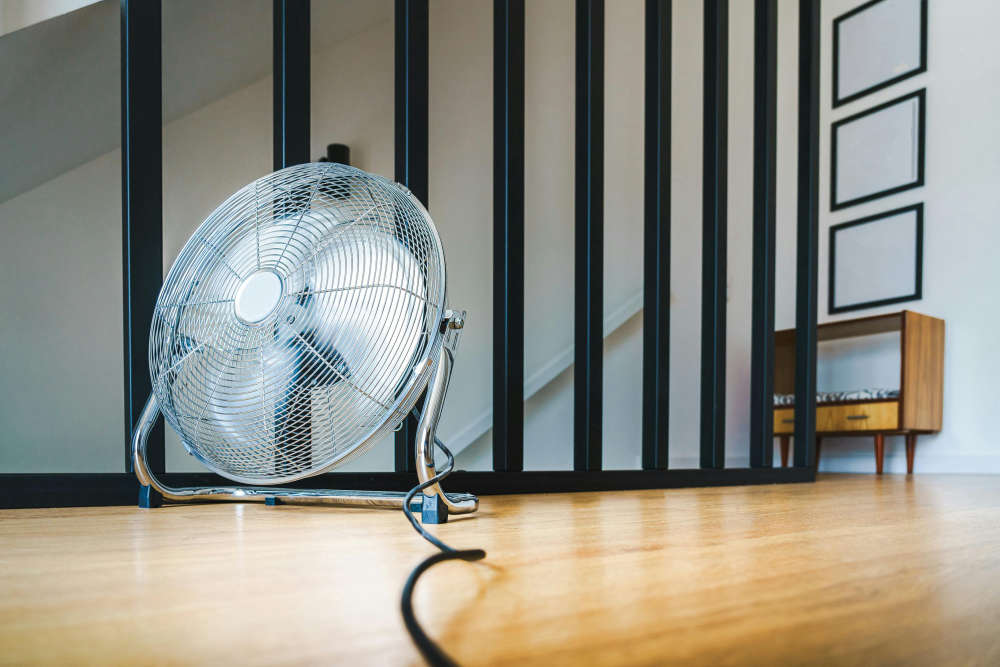
Use fans effectively
If you are using a fan, placing a bowl of ice or cold water in front of it may help circulate cooler air around the room. Keeping air moving can improve comfort and reduce stuffiness.
Avoid exercise late in the evening
Exercise raises body temperature and can make it harder to settle down to sleep. Try to complete workouts earlier in the day when temperatures are lower.
Eat light meals
Heavy, rich or spicy meals can increase body temperature and discomfort before bedtime. In hot weather, lighter evening meals are often easier to digest and more comfortable.
Keep bedrooms shaded during the day
Close curtains, blinds or shutters during the hottest parts of the day to prevent heat building up indoors. Opening windows later in the evening, when temperatures fall, can help cooler air circulate.
Stay hydrated
Drink plenty of water throughout the day, but avoid excessive alcohol or caffeine in the evening as these can contribute to dehydration and disrupt sleep. Keep water by your bed at night.
Sleep downstairs if necessary
In some homes, upstairs rooms become significantly warmer. Sleeping on a lower floor may provide a cooler environment during extreme heat.
 Storm-proof your home – and your insurance
 Spreading the cost of Christmas: why now is the time to start
 Autumn money check-up: Ten things to review before winter