
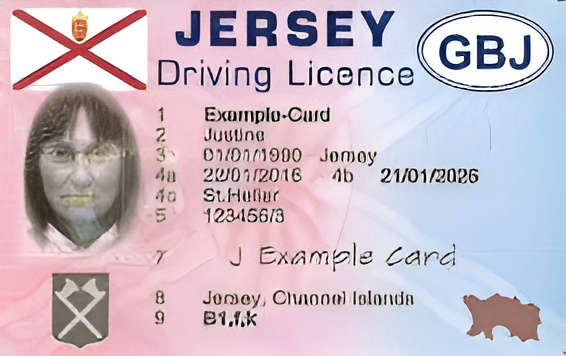
Are you aware of the coming changes to driving licence requirements in Jersey?
From 5 October 2024, the requirements and standards for driving licences changed.
The changes are as follows:
-
two licence groups
-
medical requirements and submition of medical certificates depending on the licence group and catagory
-
the licence validity period depending on the licence group
-
your parish will be able to ask you to take a practical driving assessment and put conditions on your driving licence
These changes bring the Jersey standards and requirements for driving licences similar to the UK and the EU.
Most standard drivers will fall into Group 1 and for this group there is little change; a medical certificate will only be required if a relevant condition is declared to your Parish.
Vision standards have been enhanced for both Group 1 and 2 categories to include peripheral vision and an updated acuity test. Diabetes, epilepsy, and seizure standards have also been updated, which now allow more people to hold a Group 2 category licence.
Those who passed their driving test in or before 1997 may have categories C1 or D1 on their licences, following the change, this means that they are holders of a Group 2 licence. If they do not need their Group 2 categories, they can relinquish them and have five years in which to have them reinstated, if desired.
Group 2 licences will be required to have two more medicals in their lifetime. Currently, Group 2 licence holders have medicals at 45, 55 and 65 years of age; following the changes, they will now also need a medical at 50 and 60 years of age.
If a driver has any concerns about health issues which may affect their driving, then they should consult their GP.
To find out more about the changes and what they will mean for you, visit the DVS information page on gov.je: Medical standards for driving licences (gov.je)
 Autumn money check-up: Ten things to review before winter
 Funeral costs rise
 Are you paying for subscriptions you don't use?