
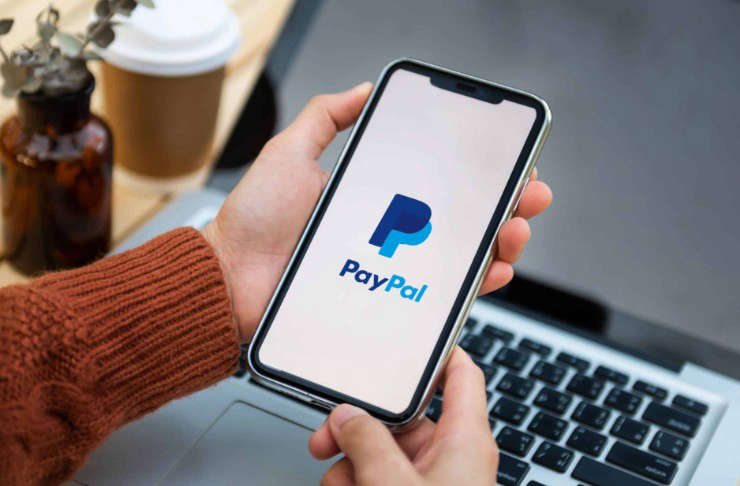
Have you used your PayPal account in the last 12 months?
Have you used your PayPal account in the last 12 months? If not, you’re likely to be charged a new annual fee of up to £12.
There are several ways to avoid the charge, but you must take action by the 15 December 2020 deadline.
How to avoid the charge
Log into your account, make or receive a payment, or close your account before the 15 December deadline.
Any of these actions will ensure your account stays in the active category. If you don’t use your account regularly, it’s advisable to create a diary note to ensure you avoid the charge each year.
To close your account, log in and go to ‘Settings’. Select ‘Close your account’ at the bottom of the ‘Account’ tab – note this can’t be done via the app.
What will happen on 16 December 2020?
If your account has been inactive (PayPal’s definition being an account where the user hasn’t sent, received or withdrawn money, or logged into their account) for 12 months or more, you’re likely to be charged a maximum of £12 per year.
If your PayPal account has a balance of less than £12, the full balance will be taken to cover the charge.
The US company states they won’t charge accounts that have either nil or a negative balance and that they will be warning affected customers with inactive accounts about the fee 30 days and 7 days before they are charged.
PayPal says it has no plans to close inactive accounts which don’t have balances.
Beware of scams
As ever, remain vigilant of potential scams. There have been reports of fraudulent texts and emails being received urging people to click links.
Check that the notification is genuine. PayPal state that they will always address customers by their first and last names.
Any other address name indicates it’s a scam, for example ‘Dear Customer’; ‘Dear Valued Customer’; ‘Hello PayPal Customer’ would not be legitimate.
Other things to look out for
1. Sender’s address
It might look real, but scammers often create fake email accounts which look very similar to the real one, sometimes with just one letter different.
The address after the @ sign should be the actual company’s website (paypal.com).
2. Requests to click on links
Never click a link in an email unless you’re sure it’s authentic. A check you can do is to hover (not click) your cursor over the link, so the page it links to displays in the corner of your browser window.
3. Bad spelling, grammar and formatting
Scam emails can be very convincing, but often you can identify them because they will have used poor grammar or spelling.
 An update on credit cards
 Deadline approaching for Islanders who want to opt out of new credit data sharing
 Credit card data sharing: your questions answered